
Istikhara Dua with Pronunciation and Full Meaning
Sahih al-Bukhari dua · Explained
Istikhara Dua with Pronunciation and Full Meaning
Here is the complete Istikhara Dua taught by the Prophet ﷺ — with the original Arabic, pronunciation and a simple translation. When and how to recite it is also explained.
Original ArabicPronunciationTranslationSahih al-Bukhari
Quran & Sunnah
Every ruling backed by hadith evidence
Sources verified
Dua text checked against Sahih al-Bukhari
Updated Nov. 2026
Revised as sources become clearer
Free to read
No sign-up or payment needed
On this page
What is the istikhara dua?
The Arabic word “istikhara” comes from the root “khayr”, meaning “good”. So istikhara means seeking good from Allah . When a person must choose between two permissible paths and does not know which is good for them, the special dua they recite after praying two voluntary rak’ahs is the istikhara dua.
This dua is narrated by Jabir ibn Abdullah (may Allah be pleased with him). He said: “The Prophet ﷺ used to teach us istikhara in all matters, just as he taught us a surah of the Quran.” This hadith is recorded in Sahih al-Bukhari (no. 1162 and 6382), which shows the importance of this dua.
Istikhara is not astrology, and it does not require a dream. It is standing humbly before Allah and acknowledging, “You know and I do not know.” To learn more, see the Istikhara Dua in English page.
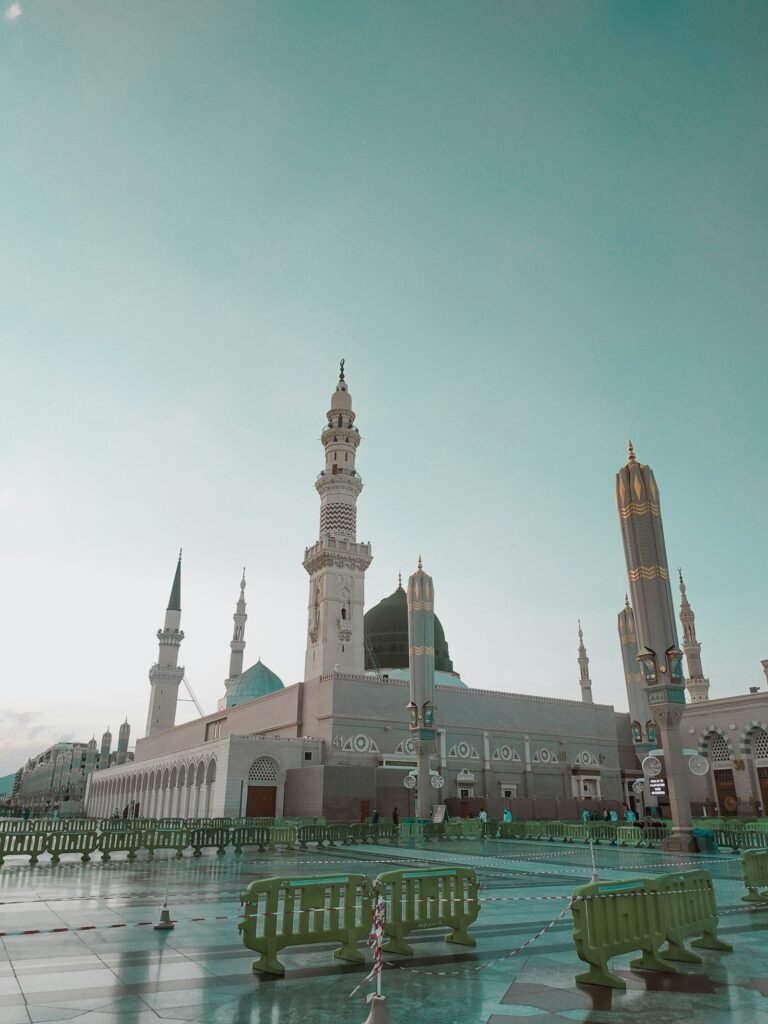
Istikhara Dua — Arabic, pronunciation and translation
The full dua in Arabic is below. Where it says “hadhal-amr” (this matter), say the name of the matter you are about to decide.
اللَّهُمَّ إِنِّي أَسْتَخِيرُكَ بِعِلْمِكَ، وَأَسْتَقْدِرُكَ بِقُدْرَتِكَ، وَأَسْأَلُكَ مِنْ فَضْلِكَ الْعَظِيمِ، فَإِنَّكَ تَقْدِرُ وَلَا أَقْدِرُ، وَتَعْلَمُ وَلَا أَعْلَمُ، وَأَنْتَ عَلَّامُ الْغُيُوبِ. اللَّهُمَّ إِنْ كُنْتَ تَعْلَمُ أَنَّ هَذَا الْأَمْرَ خَيْرٌ لِي فِي دِينِي وَمَعَاشِي وَعَاقِبَةِ أَمْرِي، فَاقْدُرْهُ لِي، وَيَسِّرْهُ لِي، ثُمَّ بَارِكْ لِي فِيهِ. وَإِنْ كُنْتَ تَعْلَمُ أَنَّ هَذَا الْأَمْرَ شَرٌّ لِي فِي دِينِي وَمَعَاشِي وَعَاقِبَةِ أَمْرِي، فَاصْرِفْهُ عَنِّي وَاصْرِفْنِي عَنْهُ، وَاقْدُرْ لِيَ الْخَيْرَ حَيْثُ كَانَ، ثُمَّ أَرْضِنِي بِهِ.
Pronunciation (transliteration)
Allahumma inni astakhiruka bi-‘ilmika, wa astaqdiruka bi-qudratika, wa as’aluka min fadlika al-‘azim. Fa-innaka taqdiru wa la aqdir, wa ta’lamu wa la a’lam, wa anta ‘allamul-ghuyub. Allahumma in kunta ta’lamu anna hadhal-amra (name your matter) khayrun li fi dini wa ma’ashi wa ‘aqibati amri, faqdurhu li wa yassirhu li thumma barik li fih. Wa in kunta ta’lamu anna hadhal-amra sharrun li fi dini wa ma’ashi wa ‘aqibati amri, fasrifhu ‘anni wasrifni ‘anhu, waqdur liyal-khayra haythu kana, thumma ardini bih.
Translation
O Allah, I seek Your guidance towards what is best through Your knowledge, I seek ability through Your power, and I ask You of Your immense bounty. For You are able and I am not, You know and I do not, and You are the Knower of the unseen. O Allah, if You know that this matter (name it) is good for me in my religion, my life and the outcome of my affairs, then decree it for me, make it easy for me, then bless it for me. And if You know that this matter is bad for me in my religion, my life and the outcome of my affairs, then turn it away from me and turn me away from it, decree for me what is good wherever it may be, then make me content with it.
Source: Sahih al-Bukhari 1162 and 6382, narrated by Jabir ibn Abdullah (may Allah be pleased with him). Translation prepared by the Online Istikhara editorial team.
Some narrations read, instead of “in my religion, my livelihood and the outcome of my affairs”, “in my present and future affairs” (fi ‘ajili amri wa ajilih). Both versions are authentic; you may recite whichever is easier for you.
Meaning of the dua — line by line
Reciting the dua with understanding increases humility in the heart. Here is an explanation of the key parts.
“I seek good through Your knowledge”
Here we acknowledge that what we know is little, and that only Allah knows how the future will turn out.
“I seek ability through Your power”
The right decision alone is not enough; we also ask Allah for the strength to carry it out.
“You are able, and I am not”
This is the essence of tawakkul. We make the effort, then entrust the final decision to the One who is able.
“Religion, livelihood, outcome”
A good choice should protect our faith, help our life and bring a good result in the end.
“Decree it, make it easy, bless it”
Three requests: that it happens, that it happens easily, and that it carries barakah.
“Turn it away from me”
A brave request: if it is bad, remove not only the thing itself but also my desire for it.
The final line: “Make me content”
The dua ends with “thumma ardini bih”. Its meaning is: whatever Allah decides, may He grant peace and contentment in the heart. Scholars say this peace of mind is itself part of the answer.
How to perform the istikhara prayer and recite the dua
The Prophet ﷺ said: “When one of you intends to do something, let him pray two rak’ahs other than the obligatory prayer, then say this dua.” From this, scholars derived the following order. You can find the full prayer method on the How to Pray Istikhara page.
Make wudu and set your intention
Be in a state of purity and intend in your heart that you are seeking Allah’s guidance in a specific matter. You do not need to say it aloud.
Two voluntary rak'ahs
In each rak’ah, recite Al-Fatiha and a surah you know.
Praise after the salam
After the salam, praise Allah and send salawat on the Prophet ﷺ.
Recite the dua and name the matter
At “hadhal-amr”, state it clearly, such as “this marriage” or “this job”.
Consult and move forward
Consult trustworthy elders; notice whether the matter is becoming easier and whether your heart is at peace.
Most scholars recite the dua after the salam; some also allow it before the salam in the final sitting. Follow the guidance of your madhhab or teacher. For more on timing, see Best Time to Pray Istikhara page.
When can istikhara be performed?
No specific time is mentioned in the hadith. Istikhara can be performed at any time when voluntary prayer is permitted. Many do it after Isha before sleeping; some do it in the last third of the night.
Avoid the three times when voluntary prayer is forbidden: at sunrise, the moment the sun is at its zenith, and at sunset. Scholars differ about the times after Fajr and Asr; follow the view of your madhhab.
What should you do after the dua?
Once the dua is done, return to life with a calm mind. Keep seeking advice, gather information, and notice whether Allah is making the matter easy or placing obstacles.
If the matter becomes easy and your heart is at peace, you can go ahead. If obstacles come again and again and your heart turns away from it, step back without bitterness. Scholars including Imam an-Nawawi (may Allah have mercy on him) say that after istikhara you may do whatever your heart feels at peace with; but your heart should not already be leaning towards your desire before the dua. If needed, ask a trusted scholar. Through our Online Istikhara Service you can also request a scholar’s dua; but do perform your own istikhara as well.

Common misconceptions
- A dream must come: The hadith does not mention a dream. A dream may come, but it is not a condition.
- Seven days are compulsory: This is based on a weak narration. You may repeat it if needed, but the authentic hadith gives no number.
- Meanings of colours: Interpreting colours such as white or green is not part of the sunnah.
- Reciting without naming the matter: If you do not name it, the dua becomes general.
- Istikhara for something haram: It is only for permissible matters.
- Deciding without consultation: Istikhara and consultation go together.
For which matters can istikhara be performed?
The method is the same; only the name of the matter changes.
Marriage
Recite the dua naming the specific proposal, and also look into the person’s religious commitment and character. More on Istikhara for Marriage.
Job and business
Name the specific job offer, partnership or investment.
Travel and moving abroad
Name the city or country, and consider your family responsibilities too.
Education
Name the course or college, and consult your teachers.
Buying a house or land
Name the property; legal and financial checks are also essential.
Family decisions
For halal decisions such as where to live, do it along with consultation.
How to memorise the dua easily
Although the dua is long, you can easily memorise it in five days. A few minutes a day is enough. Keep the dua above open while you practise.
Days 1 and 2: the opening
Memorise the first three sentences, from “Allahumma inni astakhiruka” to “wa anta ‘allamul-ghuyub”. They praise Allah’s knowledge and power. Say each one slowly ten times a day, keeping the meaning in mind.
Day 3: the first request
Memorise the first conditional sentence, “if You know that this matter is good for me”. Practise it with the name of your own matter.
Day 4: the second request
Memorise the sentence “if You know that this matter is bad for me” through to the end, “make me content with it”. Because this part prepares you for a “no”, it may feel a little harder emotionally.
Day 5: the full dua
Join all four parts and recite them after two rak’ahs of prayer. If you stumble, keep the page in front of you. With a week of practice it will come easily to your tongue.
Spiritual benefits of istikhara
Istikhara is not just a method for one decision; it is a habit that continues throughout life. The words “You know and I do not know” make the heart humble. A person carries a decision entrusted to Allah more lightly.
Even if the outcome is not as expected, remembering “I asked Allah for what is good” reduces regret. It also strengthens tawakkul, the Islamic quality that combines effort and trust. When a family performs istikhara together, arguments over big decisions decrease and peace grows.
Istikhara Dua — Quick Summary
This section gives a short summary of this istikhara dua guide, for quick reference.
The istikhara dua is the supplication that the Prophet ﷺ taught for making decisions, as reported by Jabir ibn Abdullah in Sahih al-Bukhari (hadith 1162 and 6382). You pray two voluntary rak’ahs, give the salam, praise Allah, send blessings on the Prophet ﷺ and then recite the dua, naming your matter at the words hadhal-amra. In the dua you ask Allah to decree the matter for you if it is good for your religion, livelihood and the outcome of your affairs, or to turn it away from you if it is not, and to make you content with whatever He decides.
A dream is not required, the number seven is not part of the authentic hadith, and istikhara never replaces consultation with trustworthy people. If you cannot yet read Arabic, use the transliteration above, listen to a reciter and keep practising. For another version with transliteration and meaning, read our Istikhara Dua in English page, and for the prayer method, see How to Pray Istikhara.
Please note: this page was prepared with care, but we recommend that a qualified scholar review it before you rely on it for teaching others.
Istikhara Dua — Frequently asked questions
Can I read the istikhara dua from a text?
Yes. Reading from paper or a phone is permitted, especially in a voluntary prayer. Try to memorise it gradually.
Can I make the dua in my own language?
The Arabic text is best, because it is what the Prophet ﷺ taught. If you do not know Arabic, saying the meaning in your own language is also permitted; try to learn the Arabic as well.
How many times should the dua be recited?
The authentic hadith gives no number. Once is enough; you may repeat it if needed.
Can women recite the dua during menstruation?
Scholars say she can recite the dua alone without the prayer; once pure, she can pray two rak’ahs and recite it again.
Is the istikhara prayer obligatory?
No; it is a sunnah, rewarding act.
Is an istikhara dua PDF available?
You can save this page as a PDF from your browser. Whatever PDF you use, compare it with the text in Sahih al-Bukhari.
Sources
- Sahih al-Bukhari, hadith 1162 and 6382 (Jabir ibn Abdullah, may Allah be pleased with him).
- The same hadith is also found in Abu Dawud, at-Tirmidhi, an-Nasa’i and Ibn Majah.
- Imam an-Nawawi, “Al-Adhkar” and “Riyad as-Salihin”.
- Ibn Hajar al-Asqalani, “Fath al-Bari”.
Related istikhara guides
Keep reading — each guide answers the next question.
Full Arabic text, transliteration and English meaning of the Istikhara dua. Read the guide →
The two-rak’ah method step by step, with what to do afterwards. Read the guide →
استخارہ کی مکمل دعا اردو ترجمے اور رومن اردو کے ساتھ۔ Read the guide →
The short (mukhtasar) wording, its strength of narration and when to use it. Read the guide →
Istikhara dua with translation. Read the guide →
How our scholars pray Istikhara for you and send guidance privately on WhatsApp. Read the guide →
Would you like a scholar to perform istikhara for you?
Share your matter confidentially on WhatsApp. A scholar from the school of thought you choose will make dua for you and guide you in Urdu or English. This does not replace your own prayer and consultation.
ن
Written by: the Online Istikhara editorial team. This guide is based on the prophetic text in Sahih al-Bukhari and the explanations of scholars; it was updated in November 2026. It is general religious education only, not a fatwa — for your personal matter, ask a trusted scholar.