
Surah Istikhara: Which Surahs Should You Recite?
Quran · Istikhara · Surahs
Surah Istikhara: Which Surahs Should You Recite?
Is there a surah istikhara in the Quran? The short answer is no, but there are surahs recited in the prayer and verses that teach the very idea of istikhara. Here is the clear answer, without confusion.
No surah named IstikharaRecommended surahsVerses about choiceScholars' views
Quran & Sunnah
Every ruling refers to a hadith or a cited scholar.
Verified sources
Supplication checked against Sahih al-Bukhari.
Updated Nov. 2026
Revised when sources change.
Free to read
No sign-up or payment.
On this page
Is there a surah called Istikhara?
Many people talk about “surah istikhara”, thinking that a chapter of the Quran has this name. However, none of the 114 surahs of the Quran is called Istikhara. The word refers to a prophetic practice, not a chapter.
This practice comes from the hadith narrated by Jabir ibn Abdullah in Sahih al-Bukhari. It states that the Prophet ﷺ taught istikhara to his companions as he taught them a surah of the Quran. The comparison shows the importance of istikhara; it does not mean that istikhara is itself a surah.
To learn the supplication, see our page Dua Istikhara. For the full prayer, read Salat Istikhara: How to Perform It.

Which surahs should you recite in the two rak'ahs?
The authentic hadith only asks you to pray two rak’ahs other than the obligatory prayer. It does not specify any surah. After Al-Fatiha, you can therefore recite whatever you know, as in any voluntary prayer.
A common suggestion: Al-Kafirun and Al-Ikhlas
Some later scholars recommend Surah Al-Kafirun (109) in the first rak’ah and Al-Ikhlas (112) in the second. They explain that Al-Kafirun proclaims pure worship of Allah and Al-Ikhlas proclaims His oneness, which suits someone seeking guidance from Allah alone. Others suggest verse 68 of Surah Al-Qasas and then verse 36 of Al-Ahzab, because they speak of Allah’s choice. These are recommendations of scholars, not words of the Prophet ﷺ.
What should you take away?
If you know the short surahs, you can follow this suggestion without any problem. If you know others, recite them: the prayer is valid. What matters is reciting with understanding and calm.
Quranic verses that teach the spirit of istikhara
Even though there is no Surah Istikhara, several verses sum up its meaning. Reflecting on them before the prayer prepares the heart.
Quran 28:68
“Your Lord creates what He wills and chooses.” The final choice belongs to Allah, which is why we ask Him to choose.
Quran 2:216
Perhaps you dislike something that is good for you. Allah knows and you do not know. This verse prepares the heart to accept a “no”.
Quran 33:36
When Allah and His Messenger have decided a matter, the believer has no further choice. Istikhara therefore concerns permissible matters, not what has already been decided.
Quran 3:159
“Consult them in the matter, then when you have decided, put your trust in Allah.” Consultation and trust go together.
Quran 65:2-3
Whoever fears Allah, He will make a way out for him and provide for him from where he does not expect. A reminder to trust.
Quran 94:5-6
“With hardship comes ease.” Something to reflect on when the wait after istikhara feels long.
Istikhara “through the Quran”: opening the Mushaf at random
Some believe that istikhara can be done by opening the Quran at a random page and reading the first verse, or by taking an omen from a verse. Let us be clear: this method is not found in the authentic sunnah. The Prophet ﷺ did not teach it and the companions did not practise it.
Many scholars therefore discourage this practice. The Quran is a book of guidance to be read with understanding; it is not a way to divine the unseen. Taking a verse as a sign, for example reading a verse about a trial and concluding that a journey must be cancelled, can lead to poor decisions.
The safe and authentic method remains simple: two rak’ahs, the supplication from the hadith, consulting trustworthy people and thoughtful action. Read the Quran every day for guidance and peace, but do not treat a randomly opened page as an answer.
Surahs that calm the heart while you wait
Outside the prayer, some surahs help you stay calm while you wait for clarity.
- Al-Fatiha: the request for guidance, “Guide us to the straight path”. It is part of every rak’ah and its meaning is close to istikhara.
- Al-Inshirah (94): a reminder that ease follows hardship.
- At-Talaq (65:2-3): a message of trust about provision and ways out.
- Yusuf (12): a story of patience, trust and Allah’s beautiful plan, ideal when a decision feels uncertain.
- Al-Kahf (18): rich in lessons on decisions, knowledge and humility before Allah’s wisdom, recommended on Fridays.
Reading these surahs is an act of worship that brings calm, but it does not replace the prophetic istikhara. Think of them as companions along the way.
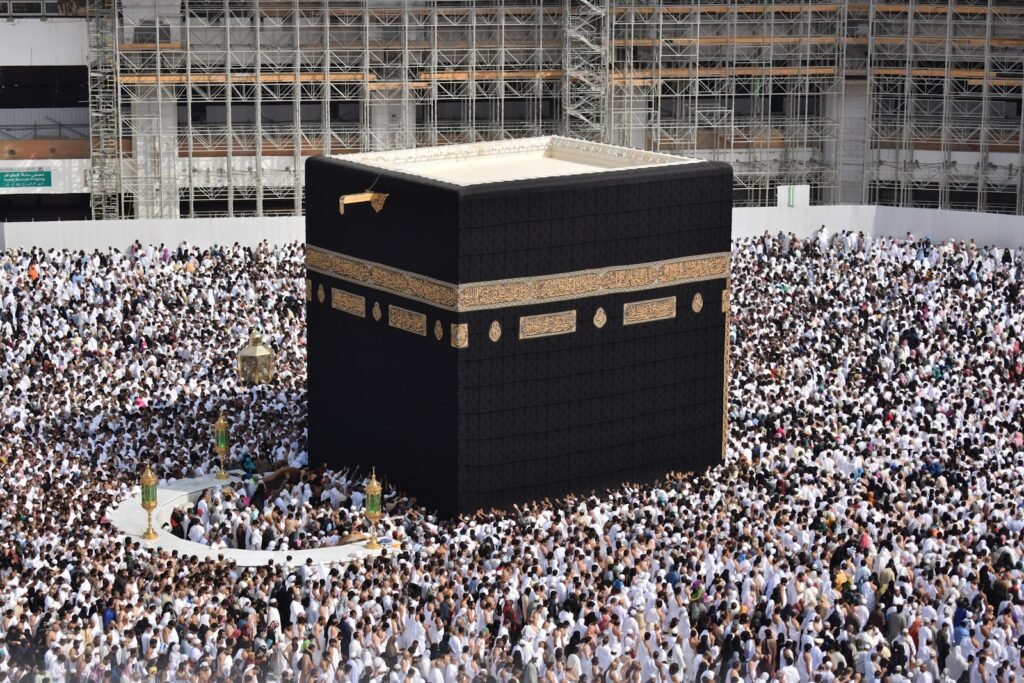
Reciting with understanding
Istikhara is a conversation, so the way you recite matters more than the surah you choose. Before you stand to pray, remind yourself what you are about to do: ask the Lord of the worlds to choose for you.
When you recite Al-Fatiha, pay attention to the verse “Guide us to the straight path”. It is the same request you are about to make in specific terms. If you recite Al-Ikhlas in the second rak’ah, remember that you are affirming that Allah alone is the One to whom every need is brought. A short surah recited with this awareness often brings more peace than a long surah recited out of habit.
For beginners
If you know only a few surahs, do not worry. The short surahs at the end of the Quran, such as Al-Ikhlas, Al-Kawthar, Al-Asr and An-Nasr, are easy to memorise and valid in prayer. Someone who knows only Al-Fatiha and Al-Ikhlas can pray a complete and accepted istikhara.
A simple plan: Quran, prayer and supplication
Here is a calm way to combine everything without leaving the sunnah.
Read and reflect
Read a few verses about trust and choice, such as 2:216 and 28:68, to prepare your heart.
Pray two rak'ahs
Recite Al-Fatiha and the surahs you know. You may choose Al-Kafirun and Al-Ikhlas.
Make the istikhara dua
Clearly name your matter. See the full text here.
Consult and act
Keep seeking advice from trustworthy people and move forward wisely.
Misconceptions about the surahs of istikhara
Because istikhara is so widespread, several baseless beliefs circulate about the surahs. Correcting them will help you practise as the Prophet ﷺ taught.
- “You must recite a specific surah or the prayer is invalid.” False: the hadith specifies no surah, and the prayer is valid with any correct recitation.
- “The longer the surah, the clearer the answer.” False: clarity comes from sincerity, consultation and how the matter develops, not from length.
- “You must recite a particular surah every day for seven days.” This idea is not based on any authentic hadith.
- “The verse you open at random is the answer.” This practice does not come from the sunnah and many scholars discourage it.
- “Only scholars can choose the surahs.” Every Muslim can recite what they know.
What if I recite the wrong surah?
Nothing serious. If you realise you recited something other than what you had planned, your prayer remains valid, because no surah is obligatory. Continue the prayer normally, make the supplication and keep your heart at ease. What matters is being present and sincerely asking Allah to choose for you.
Frequently asked questions about surah istikhara
Is there a Surah Istikhara in the Quran?
No. There is no surah by that name. Istikhara is a prophetic practice narrated in Sahih al-Bukhari.
Which surah should I recite in istikhara?
Whichever you know. Some scholars advise Al-Kafirun then Al-Ikhlas, but it is not obligatory.
Can istikhara be done by opening the Quran?
It is not part of the sunnah and scholars discourage it. Use the authentic method: two rak’ahs and the supplication.
Do I need to recite long surahs?
No. Short surahs are enough. Concentration matters more than length.
Can the dua be read inside the prayer?
Most scholars say to read it after the salam; some allow it before. See When to Perform the Prayer of Consultation?.
Can I read from the Mushaf during a voluntary prayer?
Many scholars allow it when needed in a voluntary prayer.
Further reading
Now that you know no surah is required, the next step is to master the supplication itself, because it is the heart of istikhara. Read it slowly on Dua Istikhara, then review the steps on Salat Istikhara. If you are planning a marriage, the page Prayer of consultation and relationships will help you stay within the lawful framework and involve your family.
Do not forget the essentials either: seek advice from trustworthy people, research seriously and keep a sincere supplication on your lips. The surahs you choose to recite are only a companion; what truly matters is the presence of your heart before Allah.
Sources
- Sahih al-Bukhari, no. 1162 and 6382.
- Quran 28:68, 2:216, 33:36, 3:159, 65:2-3 and 94:5-6.
- Imam an-Nawawi, Al-Adhkar, on istikhara and recommended recitations.
Related istikhara guides
Keep reading — each guide answers the next question.
How to perform the prayer of consultation step by step. Read the guide →
Arabic text, phonetics and English translation of the istikhara supplication. Read the guide →
The best times for the prayer of consultation and the times to avoid. Read the guide →
Prayer of consultation before marriage: the lawful framework and practical advice. Read the guide →
Is there a surah for Istikhara? Which surahs scholars suggest in the two rak’ahs. Read the guide →
The two-rak’ah method step by step, with what to do afterwards. Read the guide →
Would you like a scholar to perform istikhara for you?
Share your situation in complete confidence on WhatsApp. A scholar from the school of thought you choose will make the supplication of consultation for you and reply in Urdu or English. This does not replace your own prayer or consulting your loved ones.
ن
Written by the Online Istikhara editorial team. This guide follows the prophetic text of Sahih al-Bukhari and the explanations of recognised scholars; it was updated in November 2026. It is general religious information, not a fatwa: for your personal situation, ask a qualified scholar.